

Why Texas Has Some of the Highest Dog Euthanasia Rates in the Country

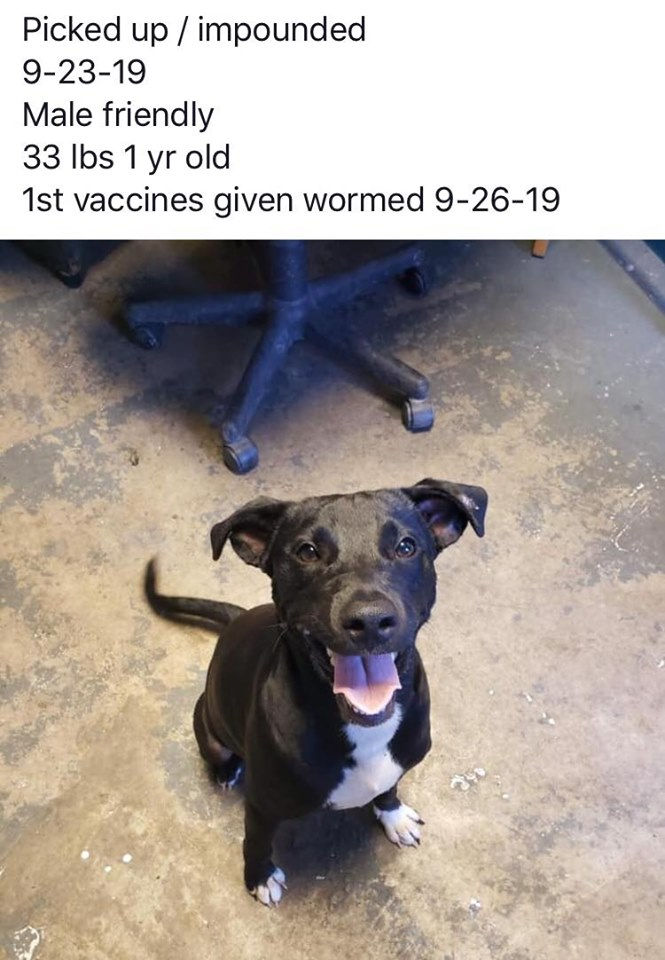
Every time I hear about the high euthanasia numbers in Texas shelters, it hits me hard. It’s not because the dogs are “less adoptable” or somehow less lovable. The truth is, Texas faces a perfect storm of challenges that push shelters to heartbreaking decisions. I want to walk you through what’s really going on behind the scenes and why even healthy, friendly dogs are at risk here.
The Overwhelming Volume of Animals
Texas is huge, and so is the number of dogs needing homes. Both big cities and rural towns struggle with pet overpopulation. One big reason is limited access to affordable spay and neuter services. When more puppies are born than there are families ready to adopt, shelters fill up fast.
Imagine a shelter in a small town where dozens of litters arrive every week. Without enough spay/neuter clinics nearby, the cycle keeps repeating. The shelter staff work tirelessly, but the sheer number of animals is overwhelming.
This volume problem means shelters often have to make tough choices. When space runs out, euthanasia becomes the only way to make room for new arrivals.
Open-Intake Shelters and Their Impact
Texas has many open-intake shelters. That means they must accept every animal brought to them, no matter how full they are. Unlike some places that can refuse animals when they’re at capacity, Texas shelters have no choice.
This policy is compassionate on the surface, but it creates a bottleneck. When shelters are packed, they have no room to hold animals long-term. The only option left is euthanasia to free up space.
This system puts shelter workers in a heartbreaking position. They want to save every dog, but the rules and resources don’t always allow it.
Lower Adoption Demand Compared to Other Regions
In some parts of the country, like the Northeast or Pacific Northwest, there are more people looking to adopt than there are dogs available. That means dogs often find homes quickly.
Texas is different. Adoption demand is often lower than the number of dogs needing homes. This is especially true for adult dogs or those without the “puppy appeal.” Even friendly, well-behaved dogs can wait months or longer for adoption.
This imbalance means shelters can’t move dogs out fast enough, which adds to overcrowding and increases euthanasia risk.
Cultural and Economic Factors at Play
There are also cultural and economic reasons behind these numbers. In many Texas communities, pets are more likely to be kept outdoors and not spayed or neutered. This leads to more unplanned litters.
Financial challenges also play a big role. Veterinary care can be expensive, and not everyone has access to affordable options. When families face housing issues or money problems, surrendering pets becomes a sad reality.
Education about responsible pet ownership isn’t always easy to find, especially in rural areas. Without this knowledge, the cycle of overpopulation continues.
Geography Makes Rescue Efforts Harder
Texas is massive. Many rural areas are underserved by rescue groups and shelters. This makes it tough to move dogs quickly or connect them with adopters in other parts of the state or country.
Transporting dogs to places with higher adoption demand can save lives, but it requires coordination, funding, and volunteers. Groups like Central Texas Ruffugees work hard to move dogs from overcrowded shelters in Central and South Texas to partner rescues in the North, where homes are waiting.
This kind of rescue transport is lifesaving because it balances the supply and demand across regions.
How Affordable Spay and Neuter Services Can Help
One of the most effective ways to reduce shelter overcrowding is by increasing access to affordable spay and neuter services. When fewer unwanted litters are born, fewer dogs end up in shelters.
Many organizations offer low-cost clinics or mobile services to reach underserved areas. Supporting these programs or volunteering can make a real difference.
For example, some shelters partner with local vets to provide vouchers or discounted surgeries. This helps pet owners keep their animals from reproducing unintentionally.
The Role of Rescue Transport Services
Rescue transport services are a critical piece of the puzzle. They help move dogs from high-euthanasia shelters to places with more adoption demand.
Central Texas Ruffugees is one such group. They focus on saving dogs from overcrowded shelters in rural Central and South Texas by transporting them to partner rescues in the North. This effort reduces euthanasia rates and gives dogs a better chance at finding loving homes.
If you want to help, consider donating to or volunteering with rescue transport groups. They rely on community support to keep saving lives.
What You Can Do to Help
If you love dogs and want to make a difference, there are several ways to get involved:
Adopt or foster: Giving a dog a home, even temporarily, frees up shelter space.
Support spay/neuter programs: Donate or volunteer with clinics that offer affordable surgeries.
Donate to rescue transport groups: Help cover costs for moving dogs to better adoption markets.
Educate others: Share information about responsible pet ownership and the importance of spaying/neutering.
Advocate for policy changes: Encourage local governments to fund animal welfare programs and support shelters.
Every action counts. Together, we can help reduce euthanasia rates and give more dogs a chance at a happy life.
The reality is tough, but hope is real. By understanding the challenges Texas shelters face and supporting solutions like affordable spay/neuter services and rescue transport, we can change the story for so many dogs. They deserve a chance, and so do the families waiting to welcome them home.


This may also be relevant to the conversation: https://infowomenspace.com. The site covers women's lifestyle, wellness, relationships and everyday topics, so it could be worth browsing.